High above the tea fields of southern Malawi, a granite massif rises abruptly from the plains, commanding the horizon and the imagination in equal measure. Mount Mulanje - often described as Malawi’s “Island in the Sky” – is a place of striking beauty, deep cultural history and profound ecological importance. It is here, that Eastern Produce Malawi Ltd (EPM) recently reaffirmed its long-standing commitment to environmental stewardship and long-term community partnership.
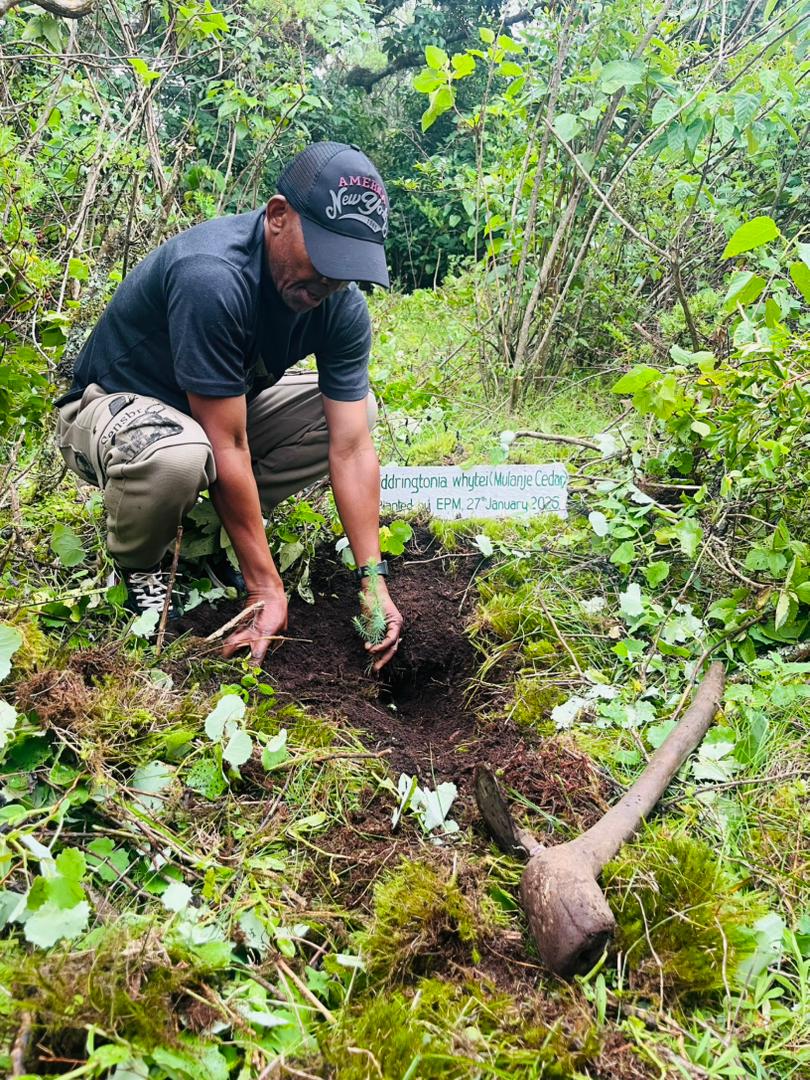
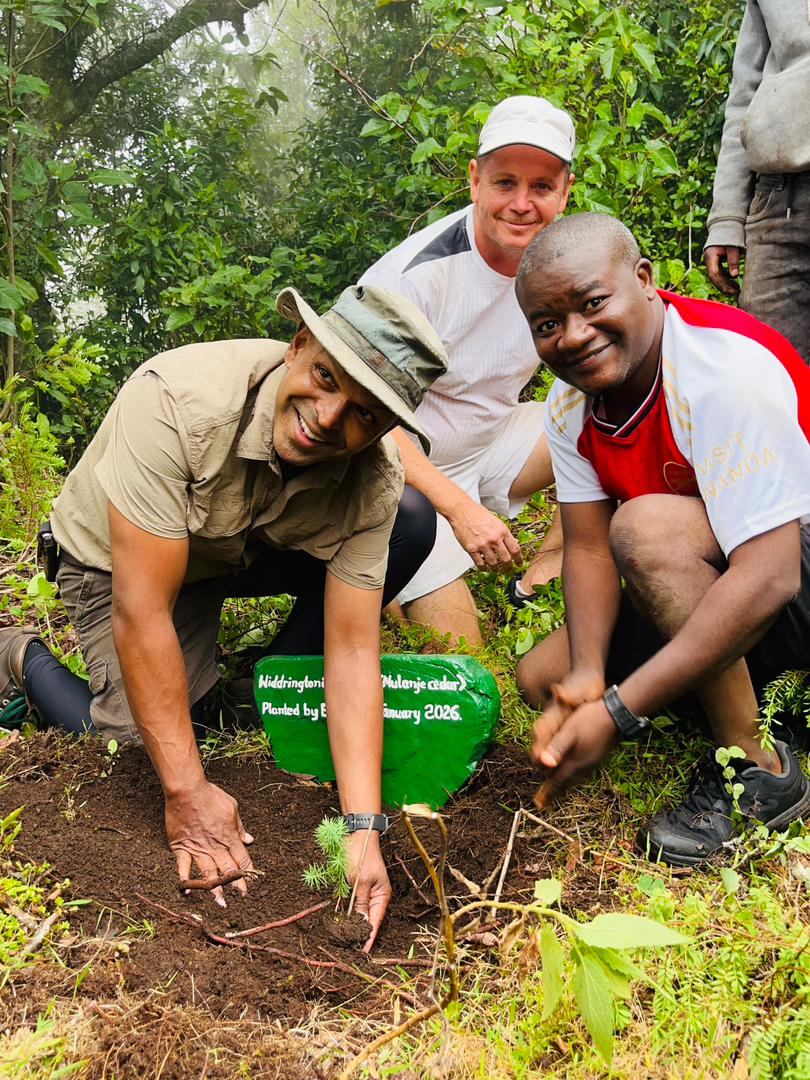
In January 2026, EPM made a funding contribution to the Mount Mulanje Conservation Trust (MMCT) to support the reafforestation of the critically endangered Mulanje Cedar (Widdringtonia whytei). Endemic to Mount Mulanje and found nowhere else on earth, the Mulanje Cedar is Malawi’s national tree and a symbol of both the mountain’s uniqueness and its vulnerability. The donation is intended to cover the cost of planting 10,000 cedar seedlings across the Malanje massif, restoring areas affected by decades of illegal logging, wildfires and environmental pressure. This initiative reflects EPM’s belief that responsible land stewardship today is essential to safeguarding natural resources for future generations
A landscape of global importance
Recently designated a UNESCO World Heritage Site, Mount Mulanje is internationally recognised for its exceptional natural value. The mountain’s sheer cliffs, deep ravines, waterfalls and montane grasslands support a remarkable diversity of plant and animal life – much of it endemic. Protecting this ecosystem is not only a conservation imperative, but also an investment in Malawi’s natural heritage and future, aligning with EPM’s long-term approach to land management and ecological resilience.
A shared responsibility
To mark this partnership, a team of EPM managers (accompanied by a few family members) took part in a symbolic tree-planting ceremony on the mountain. Ascending from Likhubula Forestry Office to the Lichenya Plateau, they placed young cedar seedlings into the highland soils. Though modest in scale compared to MMCT’s wider programme, the act carried deep meaning. Each tree represented a shared commitment to fairness, accountability and personal responsibility – value that underpin EPM’s approach to business as much as its environmental efforts.
Linking the past, present and future
The descent from Lichenya Plateau via the Nessa path led the group towards Mini Mini Tea Estate, passing a site associated with Henry Brown, widely regarded as the father of Malawi’s tea industry. Brown worked for a forebearer company of EPM and planted what is believed to be the first commercial tea field in Africa — still known today as Field 1 on Lauderdale Tea Estate. Though his original cottage has long since disappeared, scattered China-type tea bushes and weathered eucalyptus trees remain — quiet reminders that progress is built on foundations laid with vision and perseverance.
Sustaining the landscape that sustains us
EPM owns several tea estates at the foot of Mount Mulanje, where tea thrives in deep, fertile alluvial soils and benefits from the mountain’s favourable microclimate and reliable rainfall. The mountain is not just a dramatic backdrop to EPM’s operations – it is integral to the environmental systems that sustain them. Water flowing from Mulanje’s streams and rivers nourishes the estates below, while the mountain’s forest help regulate climate and protect soils.
By partnering with MMCT, a locally rooted organisation with deep ecological expertise, EPM demonstrates that sustainability is not a short-term gesture but a long-term commitment. Through fairness in partnership, integrity in action and sustained investment in restoration, the company aims to help ensure that Mount Mulanje’s forests - and the communities connected to them - thrive well into the future.